
When we talk about a system for heating drums, we think of solutions that are practical, easy to use, and capable of ensuring precise temperature control.
Paulista Heaters offers the ideal solution with Heater Bands designed for heating metal or plastic drums in a wide range of sizes and formats.
Which System Is Best for Heating Drums?
In industrial applications, there are generally two main methods used to heat products stored in drums: gas heating and electric heating.
Both systems can be effective, but the best choice depends on factors such as temperature control requirements, safety standards, energy efficiency, and the nature of the material being heated.
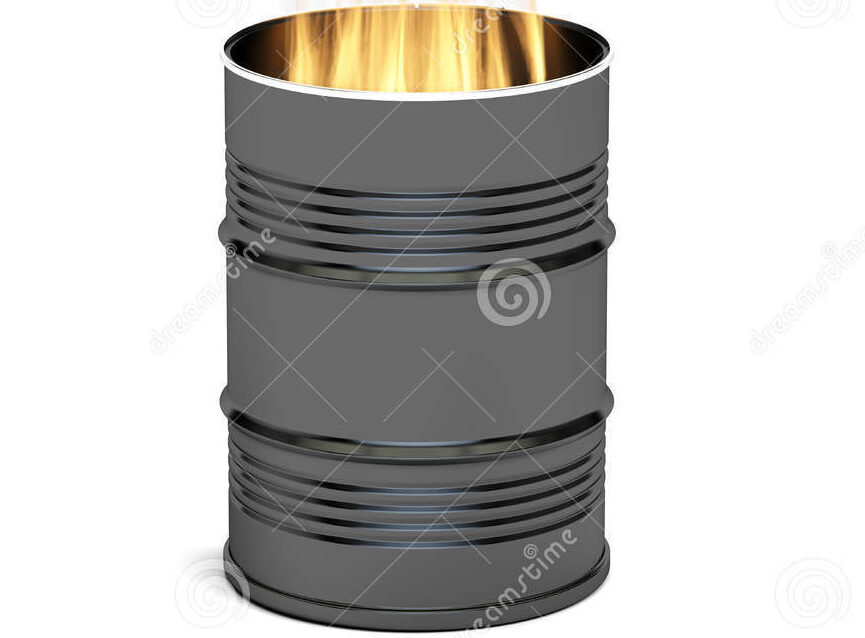
Many companies initially consider what seems to be a simpler solution by developing a gas-based system to heat drums. In practice, this usually involves building a type of furnace where fuel is burned and the drum is placed above it for heating.
While this method does generate heat for the products stored inside the drum, it presents several significant drawbacks. It is not a safe solution, does not provide precise temperature control, and is often more expensive and complex to implement and operate.
On the other hand, an electric drum heating system is significantly safer, easier to install and operate, and offers much more precise temperature control.
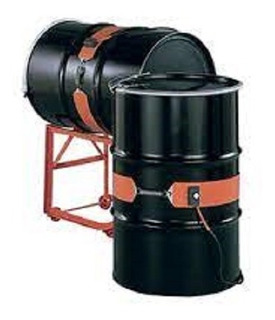
Resistências Paulista supplies heater bands and heating jackets designed for heating metal and plastic drums of all sizes, with temperature ranges tailored to your specific process requirements.
We also develop the same heating solutions for plastic containers (carboys) in various sizes and formats.
Using a thermal heating blanket to heat drums offers several advantages compared to gas flame heating — especially when safety, precise temperature control, and product preservation are priorities.
🔥 1. Superior Safety
Thermal blankets eliminate the use of open flames, significantly reducing risks such as:
- Fire or explosion
- Gas leaks and related accidents
- Carbonization of residues around the drum
This is particularly important when handling flammable, viscous, or heat-sensitive materials.
🌡 2. Precise Temperature Control
Thermal blankets can be equipped with:
- Analog temperature controllers
- Digital temperature controllers
- Uniform and gradual heating systems
Gas flame heating produces uneven temperatures and is subject to wind variations, excessive flame intensity, and localized overheating. This can damage the product or abruptly alter its viscosity.
🧪 3. Product Quality Preservation
Many substances stored in drums (oils, resins, waxes, adhesives, chemicals, greases, food products, etc.) require:
- Homogeneous heating
- No burning
- No thermal shock
Gas flames heat aggressively and unevenly from the outside inward, which may:
- Degrade the material
- Cause phase separation
- Create burned or carbonized spots
💸 4. Energy Efficiency and Lower Operating Costs
Thermal heating blankets:
- Consume less energy
- Use electricity in a stable and controlled manner
- Minimize heat loss to the surrounding environment
Gas flame systems:
- Have lower thermal efficiency
- Dissipate significant heat into the air
- Require continuous fuel supply
- Involve higher maintenance and risk of damage
🛠 5. Easy Installation and Operation
A thermal blanket:
- Simply wraps around the drum
- Connects to a power outlet
- Allows temperature adjustment via controller
Gas systems require structural setup, fuel lines, burners, constant flame regulation, and additional safety precautions.
♻️ 6. Clean and Environmentally Friendly
Thermal blankets:
- Produce no smoke
- Do not contaminate the environment
- Do not blacken or damage the drum surface
- Generate no soot
Gas flame heating produces residue, excess ambient heat, and greater environmental impact.
🧘 7. Extended Drum Lifespan
Uniform heating prevents:
- Deformation
- Excessive expansion
- Premature surface wear
Direct flame exposure can warp the drum, damage its coating, and compromise structural integrity.
✔️ Conclusion
Heating drums with a thermal heating blanket is safer, more economical, cleaner, more precise, and more efficient than gas flame heating.
It is the ideal solution for companies seeking higher productivity, product preservation, and compliance with industrial safety standards.
Looking to heat a drum? Paulista Heaters offers high-performance thermal blankets for efficient drum heating!
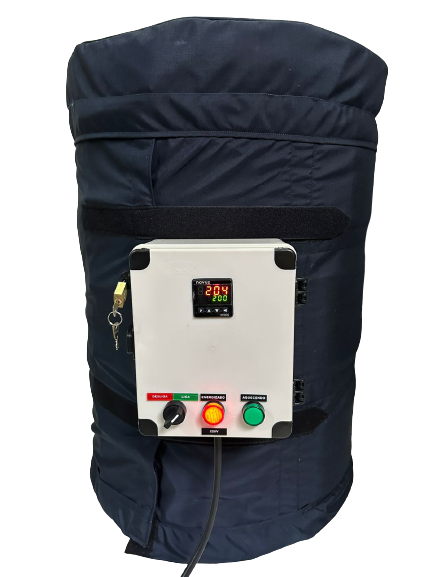
Designed for efficient heating of metal drums and plastic containers. Learn more…