google-site-verification=R4el4uhT8K60WgboO76Gf9nvXzM9ROYeK8RSlE-sFUc

WE DEVELOP SOLUTIONS IN ELECTRIC HEATING SYSTEMS

WE DEVELOP SOLUTIONS IN ELECTRIC HEATING SYSTEMS

Autor: Alefe

Curiosidades

Heat Dissipation

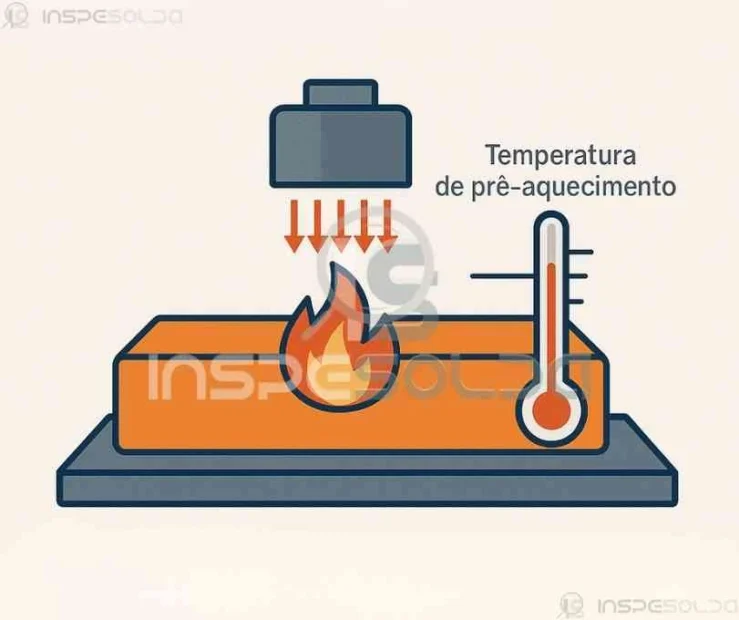
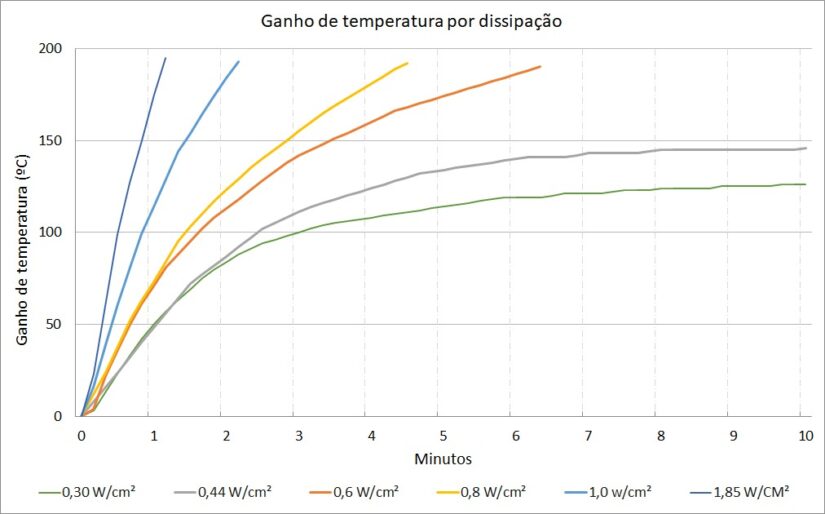
Thermal Dissipation, expressed in watts per square centimeter (W/cm²), is one of the most important parameters when evaluating the performance and safety of a silicone heating blanket. This value indicates how much heat the blanket is capable of transferring to the heated surface per unit area, determining efficiency, heating time, and equipment durability. Silicone heating blankets are constructed with embedded electrical resistance elements between layers of silicone rubber — a material known for its excellent thermal resistance, flexibility, and electrical insulation properties. However, even though they are robust, they must…Continue readingHeat Dissipation

Curiosidades

Pressure Conversion Guide

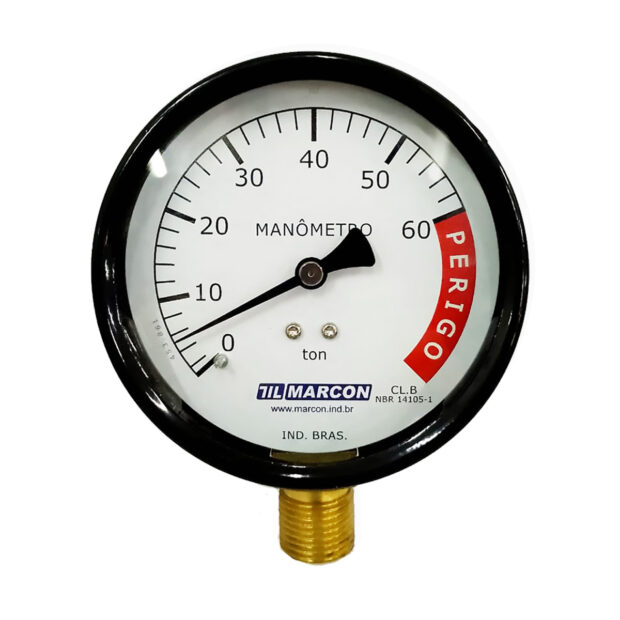
There are several pressure units and scales used across industry, physics, meteorology, and engineering. Below are the main ones: 1. Pascal (Pa) – International System (SI) The Pascal is the official pressure unit of the International System of Units (SI). 1 Pa = 1 N/m² It is used in physics, scientific research, and precise calculations. 2. Bar and mbar (bar / millibar) Widely used in industry and technical applications. 1 bar = 100,000 Pa1 mbar = 0.001 bar Millibar is commonly used in meteorology. 3. Atmosphere (atm) Represents the average…Continue readingPressure Conversion Guide

Curiosidades

Temperature Conversion Guide

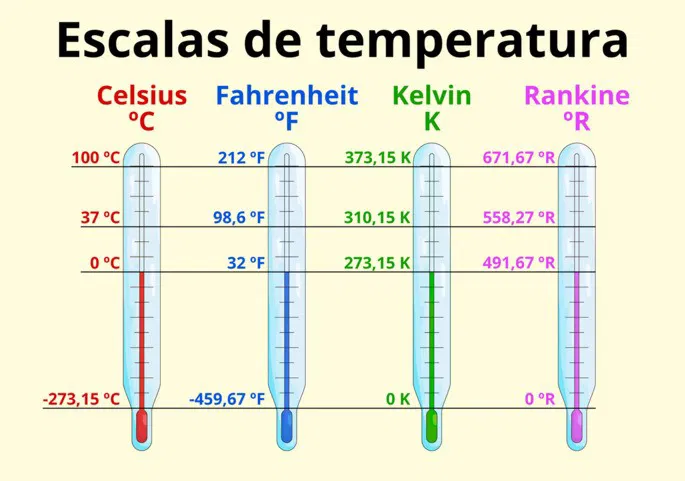
Temperature can be measured using different scales, each applied in specific areas of science, industry, and everyday life. The four most well-known temperature scales are: Below, you will learn what each scale is used for and how to convert between them in a simple way. 1. Celsius Scale (°C) This is the scale used in most parts of the world. It is based on the freezing point of water (0 °C) and its boiling point (100 °C) at sea level. 2. Fahrenheit Scale (°F) Widely used in the United States.…Continue readingTemperature Conversion Guide

Curiosidades

Ten Tips to Improve Heater Performance and Extend Its Service Life

In industrial environments, the last thing a production team wants is machine downtime caused by failures and corrective maintenance. Unexpected shutdowns increase costs and reduce efficiency. With this in mind, Resistências Paulista has gathered these “TEN TIPS,” since heaters play an essential role in many processes, and premature failure often creates bottlenecks and operational disruptions. By following a few fundamental precautions, it is possible to significantly reduce heater-related problems, increase efficiency, and lower maintenance costs. Below are ten important recommendations to extend the service life and performance of these devices.…Continue readingTen Tips to Improve Heater Performance and Extend Its Service Life

Curiosidades

Requirements for Proper Heater Sizing

Most difficulties encountered in electric heating systems can be quickly resolved when the correct amount of heat required for the process is properly determined. To achieve this, the required heat must be converted into electrical power (kW), allowing the selection of the most appropriate heater. Whether heating solids, liquids, or gases, the calculation logic remains essentially the same. All heating projects involve the following steps: Definition of the Heating Problem • Gather all relevant application data.• Prepare a sketch or schematic to facilitate visualization of the situation. Power Requirement Calculation…Continue readingRequirements for Proper Heater Sizing

Acessórios

Types of Temperature Sensors

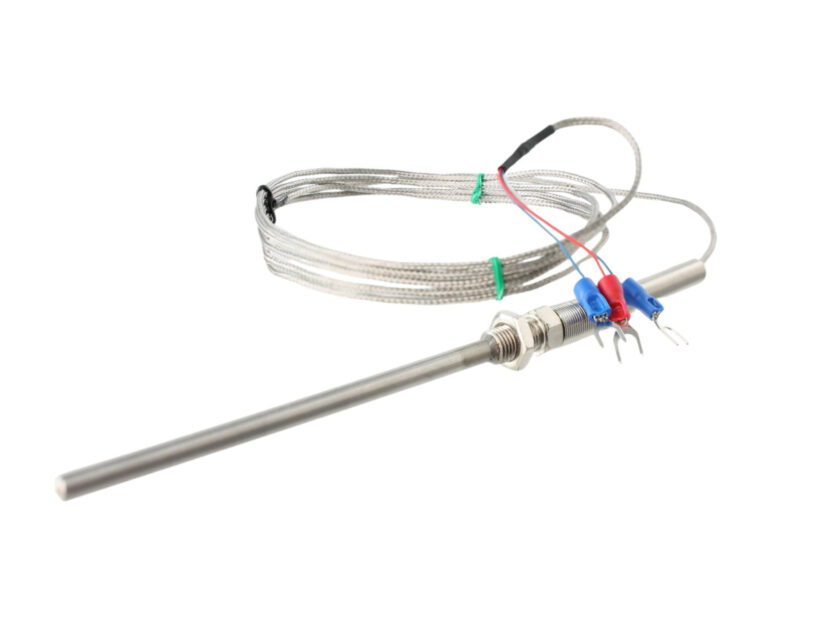
Types of Temperature Sensors Temperature measurement is essential in industrial processes, laboratories, and electronic applications. For this purpose, a variety of sensors are used, each with specific characteristics regarding accuracy, temperature range, stability, and cost. Among the most common are Type J and Type K thermocouples, PT100 and NI120 resistance sensors, and PTC sensors. 1. Type J Thermocouple The Type J thermocouple is composed of two metals: iron (Fe) and constantan (Cu-Ni). Typical range: –40°C to 750°CAdvantages: low cost, fast response, and suitable for dry, non-oxidizing environments.Disadvantages: iron oxidizes easily,…Continue readingTypes of Temperature Sensors

Curiosidades

Theoretical Fundamentals of Heat Transfer”

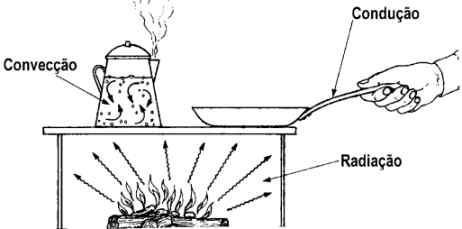
Heat transfer is the process by which heat moves from one body to another due to a temperature difference. In physical terms, heat always flows spontaneously from the hotter body to the cooler one until both reach thermal equilibrium. Heating energy is basically transferred through three modes, and most heating applications involve one or another method described below: Conduction is the mechanism of heat transfer in which thermal energy is transmitted from one point to another through the interaction of atoms or molecules of matter. Generally, energy transfer occurs through…Continue readingTheoretical Fundamentals of Heat Transfer”

Curiosidades

Ohm’s Law

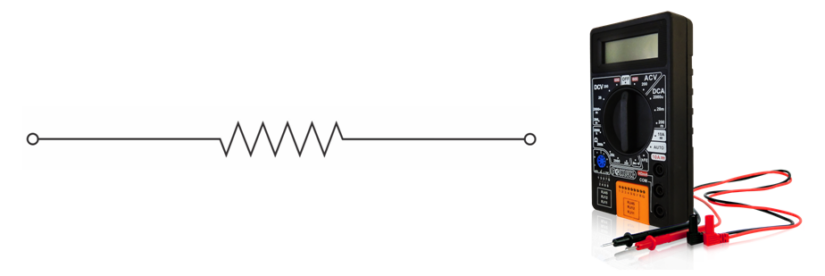
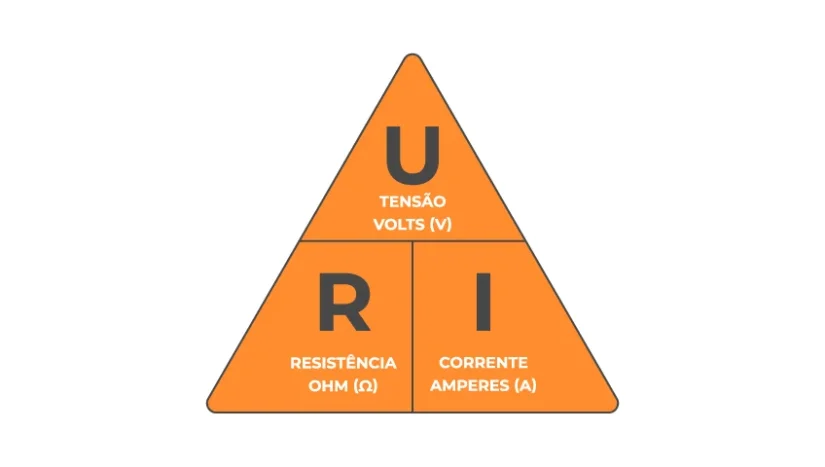
Ohm’s Law is one of the fundamental principles of electricity. Formulated by the German physicist Georg Simon Ohm, it describes the relationship between voltage, electric current, and resistance in an electrical circuit. Simply put, the law states that: The electric current flowing through a conductor is directly proportional to the applied voltage and inversely proportional to the resistance of the circuit. This relationship is expressed by the formula: V = R · I Where: How to understand this? Practical applications of Ohm’s LawOhm’s Law is present in almost everything involving…Continue readingOhm’s Law

Curiosidades

How to Heat a Drum?

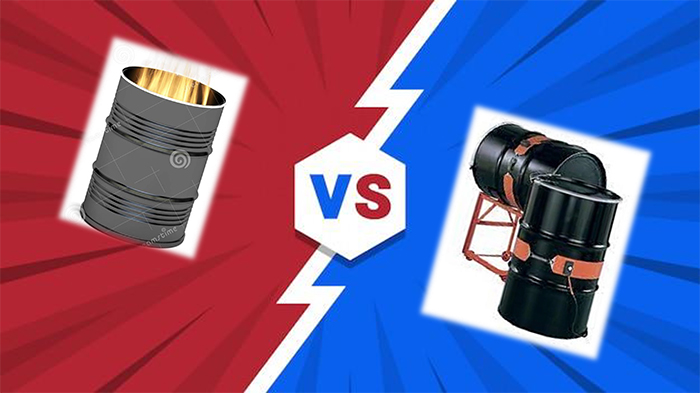
When we talk about a system for heating drums, we think of solutions that are practical, easy to use, and capable of ensuring precise temperature control. Paulista Heaters offers the ideal solution with Heater Bands designed for heating metal or plastic drums in a wide range of sizes and formats. Which System Is Best for Heating Drums? In industrial applications, there are generally two main methods used to heat products stored in drums: gas heating and electric heating. Both systems can be effective, but the best choice depends on factors…Continue readingHow to Heat a Drum?

Produtos

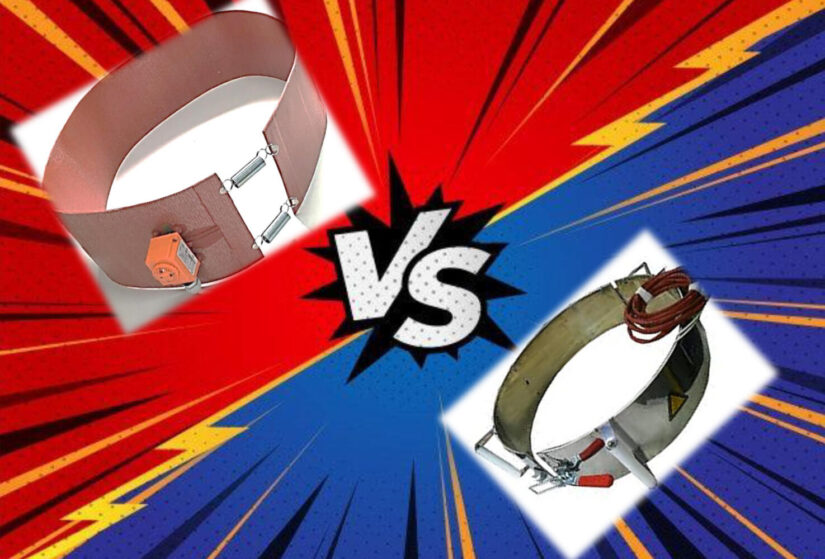
Silicone Heater Bands vs. Metal Heater Bands

The Drum Heater Band manufactured by Paulista Heaters is ideal for heating and maintaining the temperature of products stored in metal or plastic drums, pails, or containers. It is common to find both Silicone Heater Bands and Metal Heater Bands available on the market. But what is the difference between them, and which one is the better option? Both types of heater bands are designed to heat drums. However, the Silicone Heater Band offers significant advantages compared to the Metal Heater Band. Let’s take a closer look: Why Use a…Continue readingSilicone Heater Bands vs. Metal Heater Bands