
Heat transfer is the process by which heat moves from one body to another due to a temperature difference. In physical terms, heat always flows spontaneously from the hotter body to the cooler one until both reach thermal equilibrium.
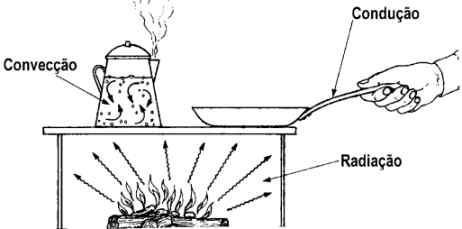
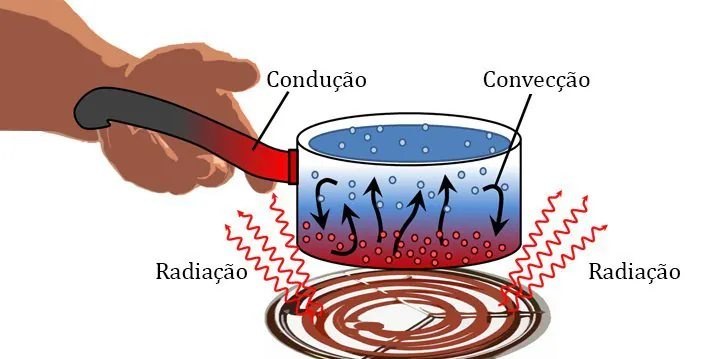
Heating energy is basically transferred through three modes, and most heating applications involve one or another method described below:
Conduction is the mechanism of heat transfer in which thermal energy is transmitted from one point to another through the interaction of atoms or molecules of matter. Generally, energy transfer occurs through solids such as aluminum, copper, and brass, which are good heat conductors. Glass, ceramics, and plastics are relatively poor heat conductors and are often used as thermal insulators. All gases are poor heat conductors. Combinations of fiberglass or ceramic with air trapped between the fibers are excellent thermal insulators. Typical heating applications by conduction include: heated plates using cartridge heaters, tanks heated by silicone heating blankets, sheath heaters, trace heating, and other applications where the heating element is in direct contact with the material to be heated.
Convection is the mode of heat transfer through the circulation and diffusion between a solid surface and a fluid (or gas). Convection involves two elements:
- Energy transfer due to molecular movement (diffusion).
- Energy transfer by bulk or macroscopic movement of the fluid (advection).
Convection is the most common method for heating fluids or gases and is also the most frequent application for tubular heaters. The fluid or gas in direct contact with a heat source is first heated by conduction, which causes expansion. The expanded material becomes less dense and tends to rise. As it rises, gravity replaces it with cooler, denser material, repeating the cycle. This circulation pattern distributes heat energy throughout the space via thermosiphoning. In forced convection, pumps or fans are used in gases and liquids to improve homogenization.
Thermal Radiation is the thermal energy emitted by bodies in the form of electromagnetic waves due to temperature. All bodies with temperatures above absolute zero emit thermal energy. Since electromagnetic waves can travel through a vacuum, no medium is required for radiation to occur.
Infrared energy radiated from a hot object (heating element) passes through the surface of a cooler object and is absorbed and converted into heating energy. Drying paint using infrared heaters is a typical application of infrared heating. The most important principle in infrared heating is that the infrared energy radiates from the source in straight lines and does not become heat energy until it is absorbed by the material to be heated.
Need to Heat a Drum? Find the Perfect Solution at Paulista Heaters!
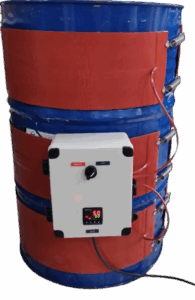
Perfect for Heating Drums or Barrels. Learn More…